

Is Australia Heading for an Economic Rescission?
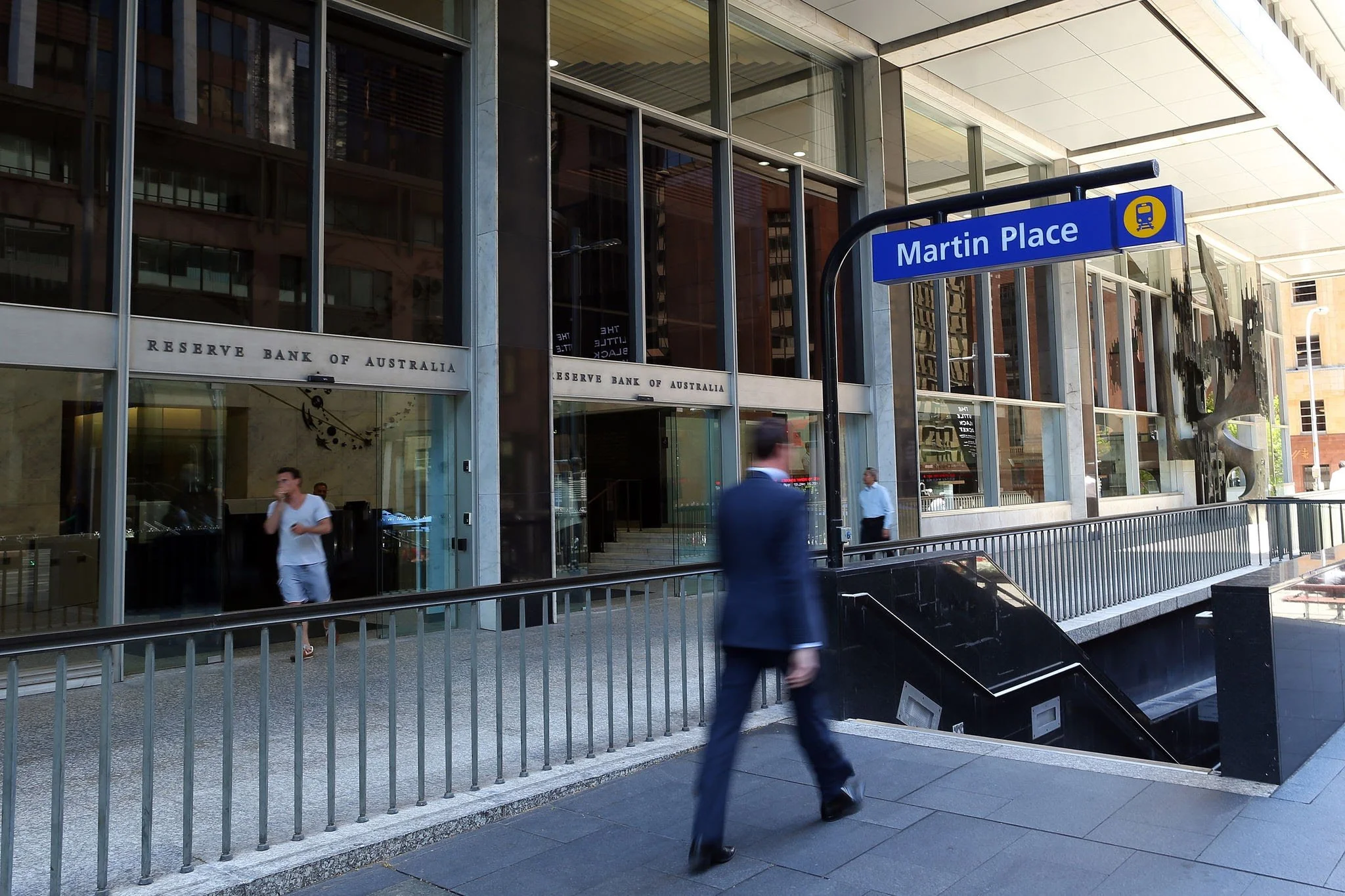
Lately, the word "rescission"—often used interchangeably by onlookers to mean a major rollback, cancellation, or severe technical recession in growth—has been all over the news. With petrol, groceries, and mortgages costing so much, it can certainly feel like the economy is moving backwards.
But according to national data, the short answer is no: Australia's economy is not facing a structural rescission or crash.
A real technical recession means the country's economy shrinks for over half a year. What Australia is experiencing right now isn't an economic collapse—it is a "slow crawl." Imagine a car driving up a steep hill; it is moving slowly like a turtle, but it is still moving forward.
"Higher Rates Are Deliberately Cooling Buyer Demand"
To stop everyday prices from getting completely out of hand due to global oil and supply spikes, the Reserve Bank of Australia has lifted the official interest rate to 4.35%.
RBA Governor Michele Bullock acknowledged the pain everyday mortgage holders are feeling, stating:
"I recognise that this is a difficult time for many households facing cost of living pressures. But it is important that we bring inflation under control... High inflation hurts everyone."
Monetary policy is directly hitting the real estate sector. By raising rates, the bank is intentionally making it harder for people to borrow money, which cools down property activity to prevent a broader economic crisis. As Governor Bullock explained:
"One of the channels through which monetary policy can often start to have an impact quite quickly is the housing market. Conditions in the housing market have eased in recent months and that partly reflects tighter monetary policy."

"A Chronic Shortage of Homes is Keeping a Floor Under Property Prices"
While high interest rates are trying to push house prices down, a historic lack of building activity is holding them up. Treasury Secretary Dr. Steven Kennedy points out that Australia has a massive safety shield keeping a true rescission away: historically high employment. As long as people have steady jobs, they can keep paying their mortgages, preventing mass panic sales.
Dr. Kennedy highlighted this economic resilience, stating:
"Australia's economy recovered from the COVID-19 pandemic far better than we originally projected. With a very resilient labour market. And prices for our major commodity exports remaining solid."
However, he warned that the property market is facing a severe structural supply crisis. Government data shows that the number of new homes being built is lagging 30% behind national targets. Because building costs are so high, many projects are hitting a wall. This massive shortage means there are still too many buyers fighting over too few properties, keeping real estate values remarkably stable despite the rate hikes.
"Cutting Planning Red Tape and Material Costs is the Key to New Housing"
The third piece of the puzzle looks at the literal supply chain of property. Assistant Minister Dr. Andrew Leigh believes the economy is sluggish because a few major corporations hold too much power, keeping the cost of building materials (like timber and concrete) artificially high and making it too expensive for builders to construct new homes.
Leigh explained the government's push for fairer business laws to lower construction costs, stating:
"Markets work best when business success comes from offering a better deal, not designing a better trap. This bill helps ensure that in Australia, firms prosper by serving consumers, not by outsmarting them."
To combat the massive backlog in housing density, the government is investing $900 million specifically to help state councils fast-track building approvals. As Dr. Leigh summarized:
"Our government is... breaking down commercial and industrial planning and zoning barriers to deliver more houses... and to build a more seamless national market for workers."

Conclusion
In summary, while everyday household budgets are under immense pressure, Australia is navigating a period of slow, sluggish growth rather than heading toward a full economic rescission. A strong jobs market is successfully keeping a technical downturn at bay.
For the property market, the outlook is defined by a fierce tug-of-war between two powerful, opposing forces: aggressive interest rate hikes are heavily reducing how much money buyers can borrow from the banks, but an unprecedented shortage of housing supply is keeping a firm floor under property values. This imbalance means that while the real estate market is moving at a much slower pace—and starting to flatten out in major cities—housing prices remain remarkably resilient overall.
Sources
Reserve Bank of Australia (RBA) Statement on Monetary Policy: Verifies the cash rate target at 4.35% and details how the RBA uses interest rates to intentionally cool consumer demand and ease property market conditions.
National Housing Supply and Affordability Council (NHSAC) State of the Housing System Report: Confirms the severe housing shortage, tracking a massive building target deficit that acts as a price floor to keep real estate values stable.
Australian Bureau of Statistics (ABS) Labour Force & Construction Data: Provides the hard figures proving that historically high workforce participation is keeping a recession at bay, while detailing the ongoing decline in building approvals.
Disclaimer
This article is for general educational and informational purposes only and does not constitute financial, legal, or property investment advice. Economic conditions change rapidly. Always speak to a licensed financial advisor or property professional before making major financial decisions.